Word Master
- 4.8
- Rating
- 1.00M
- Installs
- Free
- Price

 Analysis by App-foxy
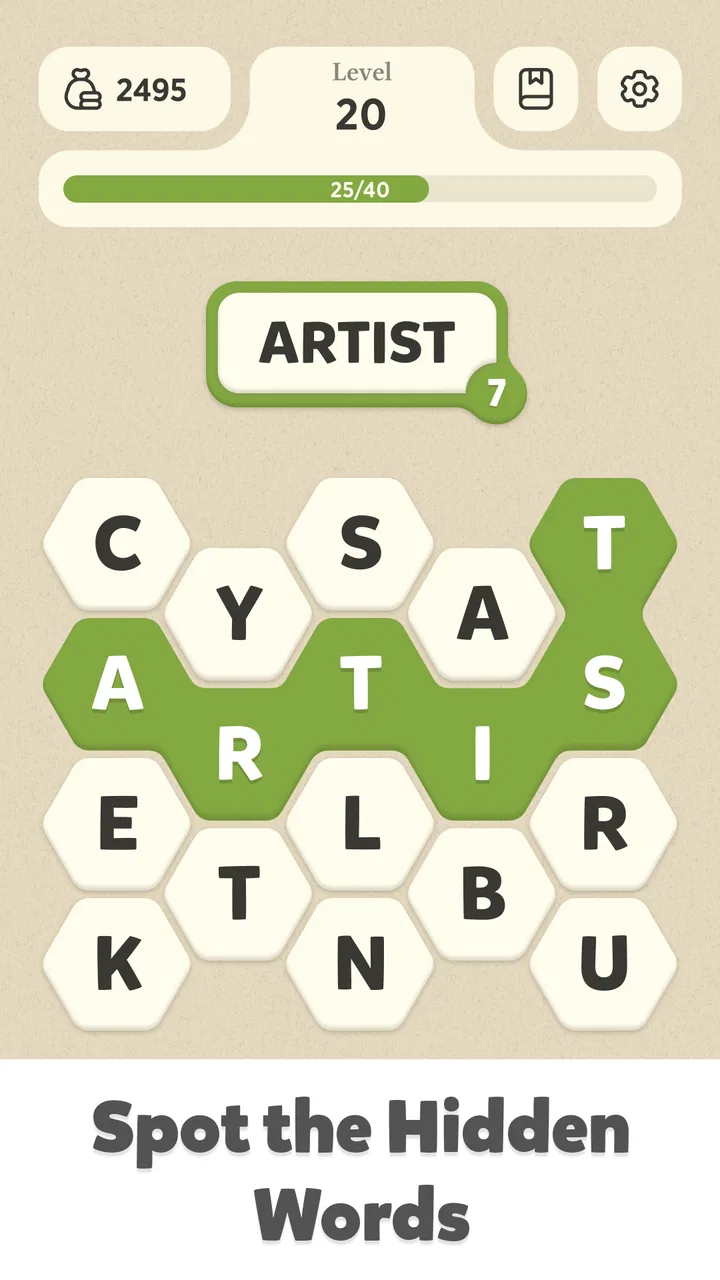
Word Master is the kind of word game I can open for a short break without needing to learn a complicated system first. It combines word puzzles with a visual goal: solving challenges gradually reveals famous paintings. That pairing gives each round a little more purpose than simply chasing another score, while still keeping the basic action easy to understand. I found it most appealing when I wanted something quiet, focused, and possible to play in small pieces.
It is a free game from Fugo Games, listed for Everyone and available on devices running Android 8.0 or later. The current version is 0.5.3, and the game has already passed 500K installs with an average rating of 4.8 from around 11K ratings. Those figures suggest that it has found a sizeable audience, but they do not change the central question: does the puzzle-and-painting combination make the experience worth returning to? In my view, it does, provided you enjoy word games that reward patience more than frantic tapping.
How the basic puzzle routine feels in everyday play
I focus on the small decisions that make Word Master’s routine feel smoother than simply guessing until a word fits. In particular, I’ll look at how I can use the painting as a progress marker without letting it distract me from the letters. That balance matters most when I’m fitting a puzzle into an ordinary break.
You May Also Like

 Blood Strike: 2.5 Anniversary
Blood Strike’s Loadouts Turn Every Drop Into a Tactical Gamble
A close look at Blood Strike’s custom loadouts: how fast access to signature weapons reshapes its battle royale rhythm, rewards preparation, and narrows the gap between fights.

 Pandora - Music & Podcasts
Pandora’s Music Is Easy to Start, but Harder to Recover
Pandora’s strength is its low-effort path from a seed to a station. Its weak spot is how much confidence it asks you to place in connection, setup, and quiet recovery.

 8 Ball Pool
 Is Built on Rivalries, Rematches, and Routine
A close look at the rivalries, rematches, shared routines, and unanswered safety questions that turn a quick pool match into a persistent mobile community.

 Samsung Music
’s Quiet Strength Is Playing What You Already Own
Its reach comes less from spectacle than from dependable access to a personal library. That simplicity is both the app’s strongest retention engine and its ceiling.

 AccuWeather: Weather Radar
AccuWeather Review: A Quick, Clear Forecast for Everyday Decisions
For everyday plans, the best forecast is the one you can understand quickly. AccuWeather makes rain timing, radar, and local conditions easy to act on, with a few trade-offs.

 Hill Climb Racing
Why Hill Climb Racing Still Turns Crashes Into One More Run
A tiny car, a bumpy hill and one more upgrade: Hill Climb Racing keeps resurfacing because its simple chaos makes every near-miss feel personal.
More From Our News Desk



A simple starting point with a visual reason to continue
The first thing I noticed is how naturally the game’s two ideas fit together. The word puzzle is the active task, while the painting gives the broader session a sense of progress. Instead of treating the artwork as a random decoration, I found myself using it as a reason to finish one more challenge. That is a small design choice, but it matters during ordinary play, especially when a puzzle is almost solved and I am deciding whether to stop.
My usual routine would be to start with a few minutes while waiting for an appointment or taking a break from work. I would look over the available letters or clues, form the obvious words first, and then use the remaining space to test less certain combinations. This approach keeps the opening of each puzzle relaxed. I do not need to commit to a long session, and the game suits a phone because the core activity can be picked up and put down without a large amount of preparation.
The painting element also changes how I judge a difficult board. In a conventional word game, an awkward puzzle can feel like a wall placed between me and the next score. Here, the artwork makes the larger journey more visible. I still want the words to be satisfying on their own, but the promise of uncovering another part of a famous painting gives the session a second layer of motivation.
Who will enjoy the pace, and who may not
I would recommend Word Master to people who like vocabulary games but do not necessarily want a competitive leaderboard atmosphere. It is a good fit for a commuter, a casual player, or someone who enjoys combining a mental exercise with a small art-collection objective. It can also work for families looking for an Everyone-rated game that is easy to explain, although younger players may need help with unfamiliar words rather than with the controls.
The same calm structure may disappoint players who want constant action, elaborate character progression, or a strong multiplayer component. This is a word puzzle first. The paintings add context and motivation, but they do not turn it into an art-history course or a strategy game. If your ideal mobile game depends on rapid reactions, deep customization, or a large social layer, this is probably not the right choice.
Another important distinction is between vocabulary practice and pure entertainment. I found the game more rewarding when I treated each board as a small language problem rather than as a test I had to rush through. Players who dislike pausing to think about spelling, word length, or alternate arrangements may find the slower rhythm less exciting than a conventional arcade game.
A realistic short-session example
Imagine opening it during a ten-minute lunch break. I would begin by solving the words that are immediately visible, then scan what is left instead of repeatedly tapping at random. If one answer remains uncertain, I would try a few likely letter patterns, take a moment away from the screen, and return with a clearer view. That pause is useful because word puzzles often become harder when I stare at the same arrangement for too long.
When the break ends, I can stop without feeling that I abandoned a complicated mission. Later, the painting gives me a clear reason to return. This is where the game differs from a disposable five-minute distraction: the visual progress makes separate short sessions feel connected. It is particularly suitable for players who prefer several small visits rather than one long evening of play.
Settings and habits that are worth checking early
My practical advice is to look through the available settings before settling into a routine. I would check sound and music first, because a word game is often played in places where audio is distracting or unnecessary. A quiet setup makes it easier to concentrate on letter patterns, while a little sound can make the experience feel more active when playing at home.
I would also pay attention to how the game presents its puzzle information and any available assistance. The most useful setting is not always the one that makes a board easier; it is the one that makes the information easier to read. On a smaller phone, a comfortable display and clear touch targets can matter more than visual decoration. I prefer to make the interface unobtrusive so that my attention stays on the words and the painting progress.
There is a sensible reason not to use every aid immediately. If I reach for help at the first moment of uncertainty, I lose the chance to notice recurring letter structures. Instead, I try a repeatable order: solve the certain words, inspect the leftover letters, look for common endings or beginnings, and only then consider assistance. This habit makes the game feel more like solving and less like filling gaps with prompts.
Because the game is free to download, it is easy to try without a financial commitment. It does include optional in-app purchases ranging from $0.99 to $39.99 per item, so I would recommend deciding in advance whether I want to play entirely within the free experience. That simple boundary prevents a moment of frustration from turning into an impulsive purchase. For me, the best value comes from treating optional spending as a convenience rather than as part of the basic requirement for enjoying the puzzles.
Faster solving comes from patterns, not random tapping
The most effective improvement I found was changing the order in which I searched for answers. Many casual players begin by trying to make the longest word immediately. I often get better results by clearing the short, obvious combinations first. They reduce the number of unused letters and can reveal the structure of the remaining answers.
I also look for familiar word endings and beginnings. A possible “-ing,” “-ed,” or plural ending can narrow the choices quickly, while common prefixes can suggest a word before all its letters are obvious. This is not a special feature; it is simply a more disciplined way to use the information already on the board. The benefit is that I spend less time cycling through guesses and more time making each attempt intentional.
Another useful habit is to separate recognition from confirmation. Sometimes I see a word but hesitate because it feels too ordinary or because I am unsure whether the game accepts it. Rather than repeatedly tapping the same arrangement, I compare it with the remaining letters and check whether another answer is competing for the same pattern. This prevents one attractive guess from controlling the whole puzzle.
When I am stuck, I deliberately change my perspective. I read the letters from left to right, then consider them as a group rather than as a sequence. I look for vowels that could anchor a word and consonants that might form a familiar pair. A short break can be surprisingly effective too. The important point is to avoid turning the game into a guessing contest against myself.
How to build a repeatable session routine
Experienced play is less about memorizing isolated answers and more about creating a process that works on unfamiliar boards. My preferred routine has four stages: collect the easy words, identify the remaining letter patterns, test the most plausible candidates, and revisit the board after a pause if necessary. Repeating that sequence keeps frustration from dictating my choices.
I also avoid spending all my attention on the painting while a puzzle is unfinished. The artwork is a useful reward, but staring at the visual progress does not solve the current board. I use it as a checkpoint between puzzles: complete the task, notice what has been revealed, and then begin the next challenge with a clean focus.
For players who want a little language practice, keeping a mental note of unfamiliar words can make the game more valuable. I do not need to turn every session into study, but remembering one new word or one useful spelling pattern gives the puzzle a benefit beyond the immediate completion. This is a stronger use case than simply tapping until the next image appears.
Where the game’s design reaches its limits
The painting collection is appealing, but it does not remove the natural limitations of a word-puzzle format. Once I understand the basic solving rhythm, the experience depends heavily on whether the individual boards continue to feel varied and fair. A player who needs constant novelty may eventually find the central loop familiar, even with new artwork providing a different visual target.
There is also a trade-off between accessibility and depth. The straightforward format makes the game welcoming, but it means there are fewer layers for someone seeking a complex long-term system. I would not choose it as a replacement for a serious crossword app, a competitive word arena, or a dedicated vocabulary course. Those alternatives can be better when I want rigorous clues, head-to-head pressure, or structured learning.
The optional purchase range is another point to consider. Free access is a genuine advantage for trying the game, yet players who dislike any temptation to buy extras may prefer a paid word game with a single upfront price. Word Master is better suited to someone comfortable deciding independently whether optional conveniences are worthwhile.
Device compatibility is reasonably broad because the game supports Android 8.0 and later. Even so, the experience can depend on the phone’s screen size and how comfortably the letters are displayed. I prefer a larger, brighter screen for longer sessions, while a compact phone is perfectly adequate for quick puzzles. That distinction is worth remembering if the game is intended for regular daily use rather than occasional breaks.
How it compares with familiar word-game alternatives
Compared with a traditional crossword, Word Master feels more approachable because the painting objective gives the session an immediate visual direction and the word-building task is easier to enter. A crossword is usually the better choice when I want precise clues, cultural references, or a demanding grid that tests broad knowledge. This game is better when I want a gentler start and a clear sense of collecting progress.
Compared with a daily guessing game, it offers a different kind of replay value. A daily format creates anticipation around one shared challenge, whereas this experience is more suitable for several short visits whenever I have time. If I enjoy discussing one answer with friends each day, another format may be more social. If I prefer a private routine with artwork as a reward, Word Master has the stronger appeal.
It also differs from an anagram-only game because the paintings give the solving loop a destination. An anagram game may be preferable for players who want pure speed and score chasing. Here, I am encouraged to slow down enough to notice the visual journey. That makes the game less intense, but in my experience it also makes it easier to keep playing without feeling mentally worn out.
What new players should know before committing
The game is free, so I would start by playing without buying anything and deciding whether the basic puzzle rhythm suits me. The most important question is not whether the artwork looks attractive in the first few minutes; it is whether I enjoy the repeated process of finding words, dealing with uncertainty, and returning to see visual progress.
I would also recommend playing with a light personal rule: do not use help until I have tried at least two different ways of reading the available letters. That rule keeps the early experience satisfying and helps reveal whether I actually enjoy the mental challenge. If I find myself wanting to skip every puzzle, the game is probably not a good match regardless of the painting theme.
Players wondering whether it is suitable for children can take comfort from the Everyone content rating, while remembering that vocabulary difficulty can still vary. It is not automatically educational simply because it uses words, but it can encourage spelling awareness and careful reading when played thoughtfully. For adult players, it works best as a relaxing language-based pastime rather than as a formal learning tool.
My verdict after settling into the routine
Word Master succeeds because its central idea is easy to understand but not completely disposable. I solve word puzzles, and the results help uncover famous paintings. That connection gives ordinary short sessions a visible thread, which is why I can imagine recommending it to a friend who wants something calmer than a competitive game.
Its strongest qualities are the low entry barrier, the suitability for brief play, and the way the artwork gives progress a more tangible feeling. I especially like the fact that a repeatable solving habit makes the experience better without requiring complicated systems. Clearing obvious words first, searching for familiar patterns, and delaying assistance are small changes, but they make the boards feel more deliberate.
Its weaknesses are just as clear. The format may feel too restrained for players who need action, social competition, or deep strategic variety. The optional purchases mean I would approach it with a spending boundary, and serious crossword enthusiasts may want more demanding clues than this style provides. Those are not deal-breakers, but they define the audience accurately.
With a 4.8 average and around 350 written reviews, the game has received a warm response, and I can understand why. I would choose it for quiet breaks, casual vocabulary practice, or a gentle art-themed progression loop. I would skip it when I am looking for a rigorous puzzle challenge or a game built around competition. For the right player, though, the combination is pleasant: a focused word routine with a visual reward that makes returning feel worthwhile.
FAQs for Word Master
01What is Word Master and how does it work?
Word Master is a word puzzle game designed to challenge your vocabulary and problem-solving skills. The game provides players with a set of scrambled letters, and the objective is to form as many words as possible. It features various levels of difficulty, making it suitable for all ages. Players can enjoy both solo and competitive modes.
02Is Word Master free to download and play?
Yes, Word Master is free to download on both Android and iOS platforms. While the core game is accessible at no cost, there are in-app purchases available. These purchases can enhance the gaming experience by providing hints, removing ads, or unlocking additional levels and features.
03What are the key features of Word Master?
Word Master offers a range of features including daily challenges, multiplayer competitions, and an extensive word database. The game also includes leaderboards to track your progress against friends and global players. Additionally, its user-friendly interface and vibrant graphics make the gameplay enjoyable and engaging.
04Are there any age restrictions for playing Word Master?
Word Master is designed for players of all ages. Its simple mechanics and adjustable difficulty levels make it suitable for children, teenagers, and adults alike. However, it's always a good idea for parents to review the game content to ensure it aligns with their standards for younger players.
05How can I improve my skills in Word Master?
To improve your skills in Word Master, practice regularly by tackling different levels and participating in daily challenges. Expanding your vocabulary by reading can also be beneficial. Additionally, utilizing in-game hints and studying common word patterns can help you become more proficient at forming words quickly.
Pros
- User-friendly interface for all ages.
- Wide variety of challenging puzzles.
- Offline mode available
- no internet needed.
- Daily challenges keep gameplay fresh.
- Customizable difficulty settings.
Cons
- Limited free levels before purchase.
- Ads can be intrusive at times.
- No multiplayer mode available.
- Lacks hints for difficult puzzles.
- In-app purchases can be pricey.

Word Master
Gallery